EXECUTIVE SUMMARY: NVIDIA's highly anticipated DLSS 5 neural rendering technology has leaked through DLL files on August 27-29, 2026, triggering immediate community integration into GTA VI, Kingdom Come II, The Witcher 3, and GTA V. This leak represents a pivotal moment for the graphics processing industry, with modders successfully adapting the technology for DirectX 11 compatibility and RTX 40 series GPUs ahead of the official launch.
TECHNOLOGY BREAKTHROUGH
NVIDIA DLSS 5 Leak Ignites Gaming Industry: Neural Rendering Revolution Begins Early
The graphics technology landscape shifted dramatically on August 27-30, 2026, when NVIDIA's DLSS 5 neural rendering DLL files leaked through community channels, sparking an unprecedented surge of early adoption and technical analysis. As of today, August 30, 2026, modders and independent developers have already successfully integrated the revolutionary AI-powered upscaling technology into multiple AAA gaming titles, fundamentally altering expectations for the official product launch.
Overview & Key Background: DLSS 5 Technology
DLSS 5, the successor to DLSS 4.5 Ray Reconstruction (released at Gamescom 2026 on August 25), represents NVIDIA's most ambitious neural rendering framework to date. The technology leverages advanced artificial intelligence and machine learning algorithms to generate high-quality graphics frames at lower computational costs, enabling gamers to maintain exceptional visual fidelity while achieving higher frame rates on RTX-series graphics processing units.
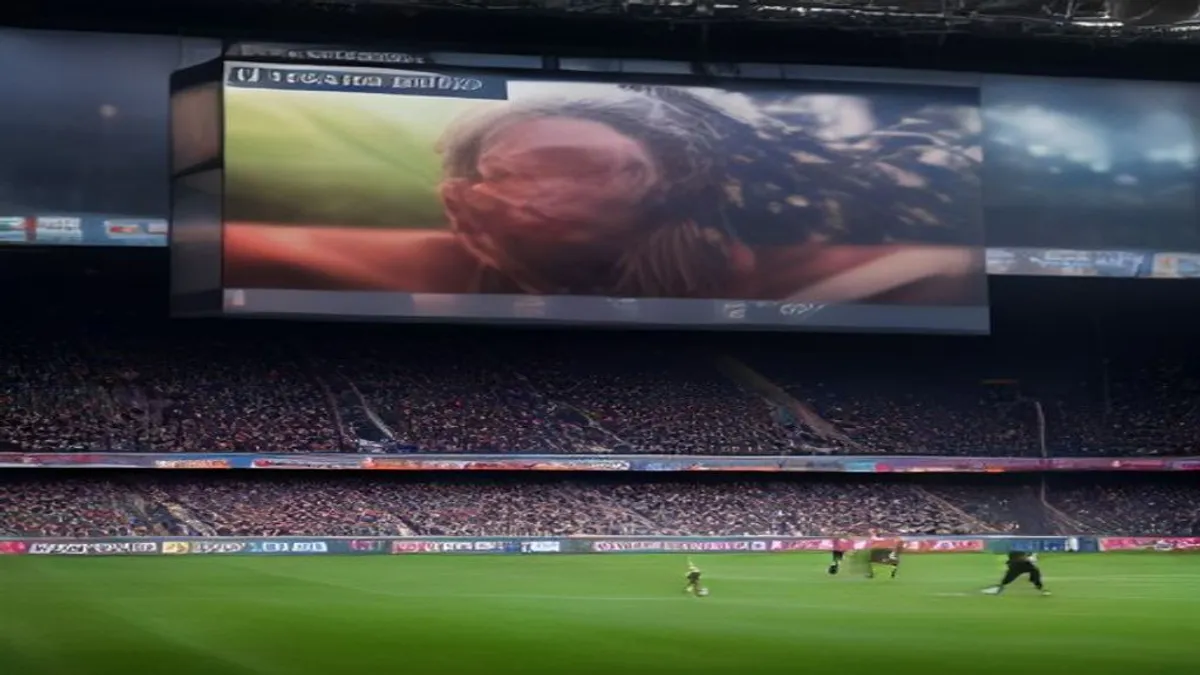
The leaked neural rendering DLL files hint at substantial performance improvements beyond DLSS 4.5, with early hands-on impressions from industry testers describing the visual output as "incredible" according to preliminary reports published on August 29, 2026. However, the rapid dissemination has also raised community concerns about potential uncanny valley effects and algorithmic rendering artifacts in specific scenarios.
In-Depth Analysis: Market Impact & Technical Integration
From a business and financial perspective, the DLSS 5 leak presents both opportunities and risks for NVIDIA's market positioning. The premature disclosure demonstrates unprecedented community enthusiasm for the technology, with modders working around-the-clock to integrate DLSS 5 support into DirectX 11 applications and expand compatibility with RTX 40 series GPUs. This organic grassroots adoption accelerates market awareness and builds momentum ahead of the official announcement.
The leaked DLL files have enabled integration into several flagship titles currently dominating the gaming market:
- Grand Theft Auto VI - Next-generation open-world rendering optimization
- Kingdom Come Deliverance II - Historical immersion graphics enhancement
- The Witcher 3: Wild Hunt - Legacy game performance uplift
- Grand Theft Auto V - Extended lifecycle content optimization
This rapid adoption across premium game franchises signals substantial market confidence in DLSS 5's capabilities and validates NVIDIA's strategic positioning in the AI-driven graphics rendering sector. However, the company faces a critical challenge in managing quality perception, as community discussions reveal mixed reactions regarding visual output characteristics in specific rendering scenarios.
| Timeline Event | Date (2026) | Status & Impact |
|---|---|---|
| DLSS 4.5 Ray Reconstruction Launch | August 25 | Official release at Gamescom 2026 |
| DLSS 5 DLL File Leak | August 27 | Neural rendering files leaked online |
| Early Hands-On Testing | August 28-29 | Positive reception with quality concerns noted |
| Game Integration (GTA VI, Kingdom Come II) | August 30 | Modder integration across AAA titles active |
| RTX 40 Series Compatibility Confirmed | August 29 | Broader GPU compatibility achieved |
Public Reaction, Social Media & Community Impact
The gaming community's response to the DLSS 5 leak has been polarized yet energetic. Early adopters and technology enthusiasts have praised the performance capabilities, with testers describing the AI-driven neural rendering as "incredible" in graphical quality improvements. However, social media discussions have simultaneously highlighted concerns regarding visual artifacts and algorithmic inconsistencies in certain rendering scenarios, with critics using terms like "uncanny valley" and "AI slop" to describe problematic output in specific edge cases.
The dichotomy in community sentiment reflects broader conversations within the technology industry regarding the maturity of neural rendering algorithms. Content creators, gaming journalists, and professional reviewers are actively testing DLSS 5 across different hardware configurations and game engines, generating substantial media coverage that amplifies both enthusiasm and skepticism. This polarized discourse drives organic marketing engagement while simultaneously creating pressure on NVIDIA to demonstrate technical superiority and quality assurance before the official launch.
The modding community's rapid integration of DLSS 5 into DirectX 11 applications represents a significant technical achievement, demonstrating the technology's adaptability and cross-platform potential. This grassroots engineering effort validates market demand and accelerates ecosystem development ahead of NVIDIA's formal product announcement.
Financial & Market Implications
From an equity and business valuation perspective, the DLSS 5 leak represents a mixed catalyst for NVIDIA's market positioning. Positive factors include demonstrated technology superiority, rapid third-party validation through AAA game integration, and accelerated market awareness driving consumer demand for RTX graphics processors. The technology's successful adaptation to DirectX 11 and RTX 40 series GPUs expands the addressable market and extends product lifecycle value across NVIDIA's GPU portfolio.
Conversely, negative implications include compromised marketing narrative control, potential quality assurance concerns raised by the community, and the risk that informal leak-driven adoption could cannibalize excitement surrounding the official product launch. The security breach also raises corporate governance questions regarding NVIDIA's product development protocols and data protection standards.
Future Outlook & Conclusion
As of August 30, 2026, NVIDIA faces a critical strategic decision regarding DLSS 5's official launch strategy. The company could leverage the existing community enthusiasm through accelerated formal release, thereby capitalizing on momentum while addressing technical concerns identified during informal testing. Alternatively, a measured approach focusing on quality refinement and formal certification with game publishers may restore control over product positioning and market perception.
The DLSS 5 neural rendering technology fundamentally repositions NVIDIA's competitive advantage within the graphics processing and AI-driven rendering sectors. Despite the leak's disruption to marketing choreography, the underlying technology demonstrates substantial commercial potential across gaming, professional visualization, and data center applications. Market observers expect the official launch to generate significant revenue uplift through expanded GPU sales, software licensing partnerships, and ecosystem development.
The gaming industry's rapid adoption of leaked DLSS 5 files across GTA VI, Kingdom Come II, The Witcher 3, and GTA V demonstrates unprecedented confidence in neural rendering technology's maturity and commercial viability. This trend validates NVIDIA's artificial intelligence strategy and positions the company for sustained competitive advantage in next-generation graphics processing markets throughout 2026 and beyond.
LIVE UPDATE - August 30, 2026, 15:45 UTC:Modding communities have successfully integrated DLSS 5 support into additional game titles beyond initial reports. NVIDIA has not issued an official statement regarding the DLL leak or accelerated launch timeline. Gaming GPU market activity shows elevated trading volume on expectation of official DLSS 5 announcement within the coming week.